
What is static light scattering (SLS)?
2023-05-30WIKI
Static light scattering (SLS) is a technique that measures the average scattering intensities to calculate the weight-average molecular weight of particles in a liquid solution. When a laser beam irradiates macromolecules in solution, the macromolecules scatter light in all directions.
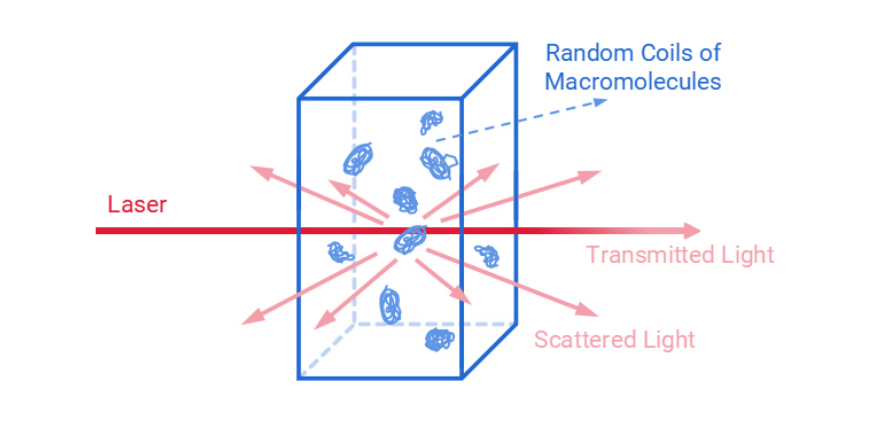
The relationship between the scattering intensity and the molecular weight of a macromolecule is described by the simplified Rayleigh equation:
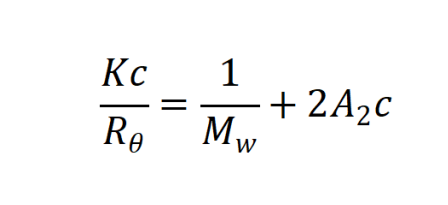
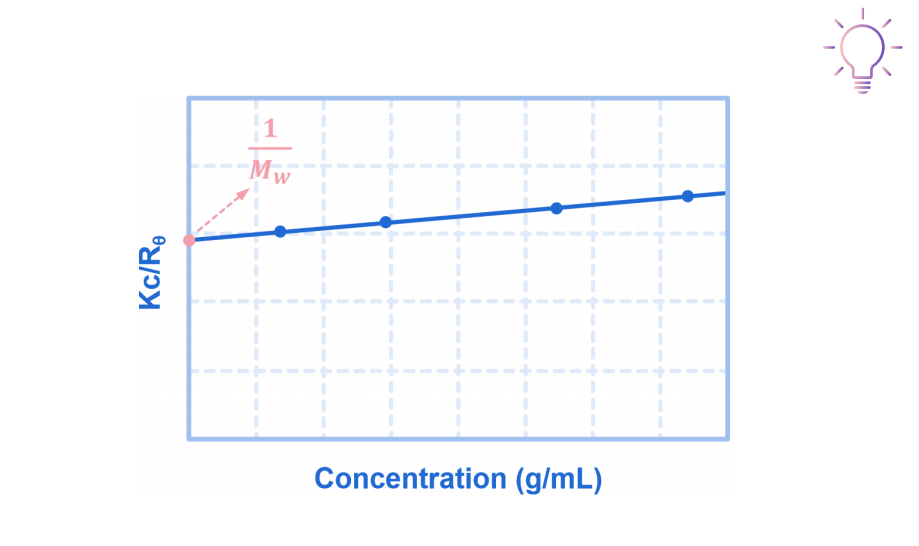
The instrument collects scattering intensities of macromolecules in solutions at different sample concentrations. The Debye plot is then constructed by plotting and linearly fitting the Kc/Rθ values versus the concentrations. The slope of the linear fit is used to calculate the second virial coefficient A2. And the Y-axis intercept of the linear fitting yields the reciprocal of molecular weight.
 |
Struggling to grasp particle analysis concepts? Our new Beginner's Guide to Particle Analysis is here to help you grasp these concepts in the most accessible manner possible. Download it as a PDF to read on the train, on the plane, or wherever else there’s no internet. |

Recommended articles
Rate this article
Share On


Related Particle Size Analyzer
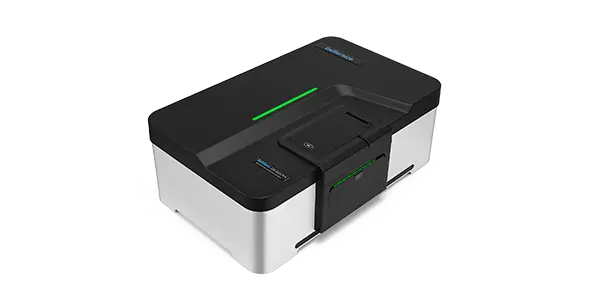
BeNano 180 Zeta Pro
Nanoparticle Size and Zeta Potential Analyzer
Technology: Dynamic Light Scattering, Electrophoretic Light Scattering, Static Light Scattering
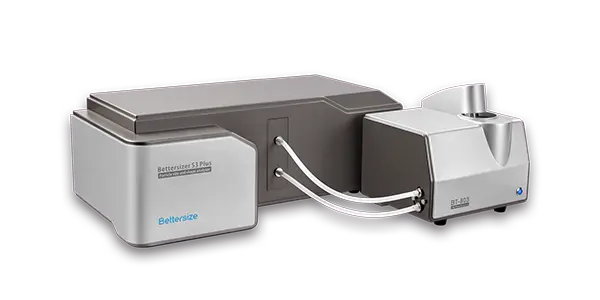
Bettersizer S3 Plus 126
Laser Diffraction Particle Size and Shape Analyzer
0.01 - 3,500μm(Laser System)
2 - 3,500μm(Image System)
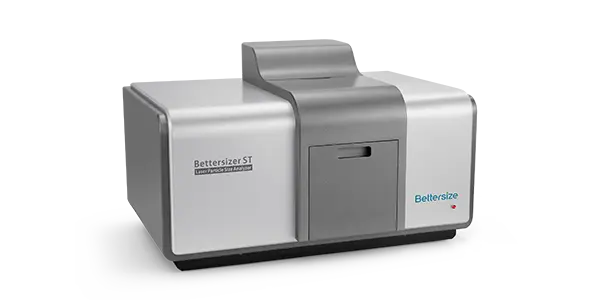
Bettersizer ST
One-stop Particle Size Analyzer
Dispersion type: Wet
Size range: 0.1 - 1,000µm
Repeatability: ≤1% variation